Lemon Fruit Embroidery Design Review
As an embroidery designer and product reviewer, I’ve evaluated countless machine embroidery designs. Lemon Fruit stands out as a vibrant, versatile option that can elevate a wide range of projects. From custom apparel to home decor, this design offers a fresh, lively aesthetic that feels both playful and professional.
The First Impression: A Burst of Color and Character
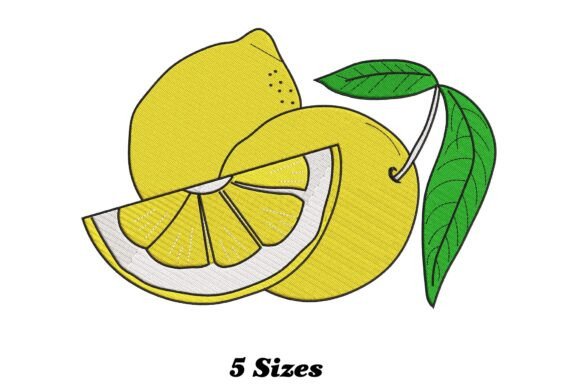
Lemon Fruit immediately catches the eye with its bold, stylized shape and clean lines. The design features a central lemon with a slightly exaggerated form, giving it a whimsical yet modern feel. The layout is balanced, with enough detail to make it visually engaging without being overwhelming. It’s the kind of design that feels like it belongs on a summer-themed t-shirt or a kitchen towel that adds a splash of personality to any space.
The theme is clearly food-related, but the execution avoids clichés. Instead of a realistic fruit image, Lemon Fruit leans into a more abstract, stylized approach that works well across different fabric types and project styles. This makes it a great choice for small business owners looking for something unique that still fits a broad audience.
Real-World Use Cases: Where Lemon Fruit Shines
One of the first projects I’d consider using Lemon Fruit on is a custom tote bag design. Its size and layout make it ideal for a front panel on a large tote, where it can be the focal point without feeling cramped. For sweatshirt embroidery, it would work well on the chest or back, especially if paired with a simple text element to create a cohesive look.
It also has potential for baby items, such as onesies or blankets, where a soft, colorful design can add a cheerful touch. As an embroidered patch, Lemon Fruit could be used on backpacks, jackets, or even pet accessories, offering a fun and recognizable motif.
In home decor, it could be stitched onto pillow covers, tea towels, or even a holiday gift bag. The design’s simplicity allows it to blend well with other elements, making it a flexible addition to any craft business or Etsy shop.
Where to Be Cautious: Limitations and Considerations
While Lemon Fruit is generally easy to work with, there are some situations where it might not perform as well. On small hoop sizes, the design may require multiple hooping steps, which can be time-consuming and increase the risk of misalignment. Similarly, on textured fabrics or thin materials, the stitch density might cause the fabric to pucker or distort.
On dark fabrics, the contrast between the lemon and the background may be less striking, depending on the thread colors used. For stretchy or delicate fabrics, a proper stabilizer is essential to prevent puckering or distortion during stitching. Curved surfaces like caps or hoods can also be challenging, as the design may need slight adjustments to fit the contour properly.
For detailed corners or tiny lettering, Lemon Fruit’s design may not be the best choice. If you’re planning to use it as a decorative accent in a larger composition, ensure that the scale and placement complement the overall design.
Impact on Visual Appeal and Customer Perception
Lemon Fruit adds a noticeable visual pop to any project. Its bright, clean lines and playful shape can enhance the appeal of handmade products, making them stand out in a crowded market. When used effectively, it can increase the perceived value of a finished product, especially when paired with high-quality thread and proper stitching techniques.
For small business owners and Etsy sellers, this design can help build brand consistency. Whether it’s used on a seasonal collection or a staple item, Lemon Fruit maintains a cohesive look that aligns with a fresh, creative brand identity. It also makes for a great personalized gift, as the design is recognizable and appealing to a wide range of recipients.
When presented professionally, Lemon Fruit can boost buyer engagement by offering a unique and eye-catching element that customers will want to own. It’s a design that feels both handmade and polished, which is key for maintaining customer trust and encouraging repeat purchases.
Practical Designer Notes: Testing and Preparation
Before committing to a full project, I always recommend testing Lemon Fruit on scrap fabric. This helps assess how the design looks on different materials and ensures that the stitch density and thread colors work well together. It’s also a good idea to review the embroidery file for any potential issues, such as overlapping stitches or areas that may need adjustment.
When working with light and dark fabric backgrounds, test the design in black and white mockups to see how it translates. This can help determine if additional detailing or color changes are needed for optimal visibility. Using the right stabilizer is crucial, especially on delicate or stretchy fabrics, to maintain the integrity of the design.
For commercial projects, confirm that the licensing terms allow for resale or distribution of finished items. If you're selling digital embroidery files, ensure that the design meets your specific needs for scalability and usability. Always check the hoop size requirements and adjust the design if necessary to fit your machine’s capabilities.
Final Thoughts: A Versatile and Lively Addition
Lemon Fruit is a solid choice for anyone looking to add a fresh, lively element to their embroidery projects. Its versatility makes it suitable for a wide range of applications, from custom apparel to home decor. While it has some limitations in certain situations, with proper preparation and testing, it can deliver excellent results.
Whether you're a hobbyist, a small shop owner, or a professional embroiderer, Lemon Fruit offers a design that can bring personality and creativity to your work. It’s a great example of how a simple, well-executed embroidery design can make a big impact in the world of handmade and commercial products.